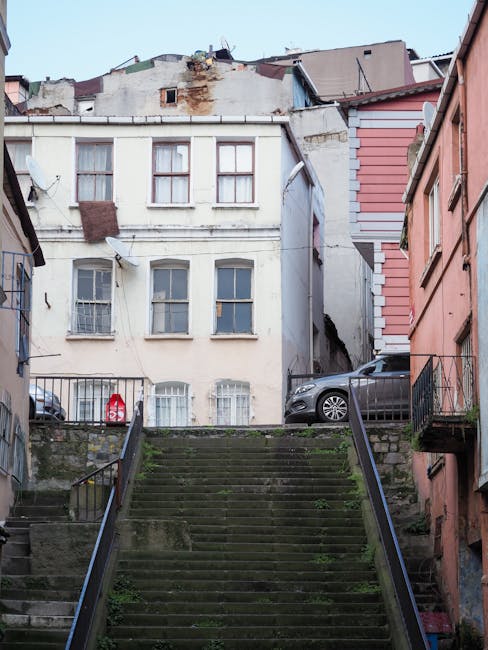
Steep-stair moves in Pimlico flats: avoid damage
Moving out of a Pimlico flat can feel straightforward right up until you meet the stairs. And then, well, everything changes. Tight turns, narrow landings, old banisters, awkward corners, soft-painted walls, awkwardly sized furniture, and that one sofa that somehow looked smaller in the old place. If you are planning steep-stair moves in Pimlico flats: avoid damage is not just a sensible aim, it is the whole game.
The good news is that damage is not inevitable. With the right preparation, a careful route plan, and a few practical decisions made early, you can move heavy items without scraping walls, cracking stair edges, or putting strain on the team doing the lifting. This guide breaks down what matters, how the process works, and where people most often go wrong. It is written for real flats, real staircases, and real London moving day pressure.
By the end, you will know how to protect the property, your belongings, and your own sanity a bit. Because let's face it, no one wants the move to end with a chipped plaster corner and a sigh.
Why Steep-stair moves in Pimlico flats: avoid damage Matters
Pimlico has plenty of period properties and compact flats where staircases can be steep, narrow, or simply unforgiving. A move in that setting is not the same as wheeling boxes through a ground-floor apartment. Every step matters. Every turn matters. Even the thickness of a blanket can matter when a wardrobe is trying to kiss the wall on the way down.
Damage risk rises fast in stair-heavy buildings because the movement space is limited. Furniture has to be angled, tilted, rotated, and sometimes paused halfway down a flight while someone checks clearances. If the team rushes, or if the route has not been measured properly, the most likely outcomes are scuffed paintwork, marked skirting, chipped stair noses, and dents on the item itself.
For tenants, the stakes are obvious: deductions, awkward conversations, and avoidable stress. For owners, it can mean visible wear in a property you care about. For everyone involved, it can turn a move that should feel organised into one that feels messy and slightly bruised around the edges.
There is also a safety angle. A steep staircase changes the balance of an object. One awkward pivot, one slippery sole, one overfilled box, and someone is suddenly carrying more risk than they bargained for. Truth be told, stairs are where good intentions meet gravity.
Expert summary: On steep staircases, damage usually happens because of poor planning, oversized loads, or rushed handling. The safest moves are the ones that are measured, padded, and paced.
If you are still at the planning stage, it is worth reviewing the basics of the company and its working style on the about us page and using the contact page early if you need to discuss access details. A five-minute conversation before move day can save a lot of wall repairs later. That is not exaggerating, it is just how these jobs go.
How Steep-stair moves in Pimlico flats: avoid damage Works
A careful stair move is really a sequence of small decisions. First comes the assessment: what needs moving, how large each item is, and whether the staircase can accommodate it safely. Then comes preparation: wrapping, disassembly, route clearing, and protecting the building. After that, the actual carrying begins, usually with a mix of lifting, guiding, and slow-footed manoeuvring.
Most damage prevention comes from creating space and reducing friction. In practical terms, that means furniture blankets, corner guards, floor protection, and proper carrying technique. It also means recognising when an item is too awkward to force through as-is. A sofa without its feet removed or a bed frame left in one piece is often the source of a problem that could have been avoided in ten minutes.
In a Pimlico flat, the staircase itself may be the bottleneck. You might have a turning point after three steps, or a narrow stretch with a wall on one side and a banister on the other. Sometimes the item must be tilted vertically, then flattened again, then rotated a quarter turn. It sounds fiddly because it is fiddly.
The best movers work in a calm rhythm: lift, pause, assess, continue. No heroics. No sudden lunges. No treating a mahogany chest of drawers like a gym box jump.
There is also communication. A good move usually has one person calling the pace and one person watching the clearance. That small bit of coordination prevents most scrapes. If you have ever seen two people trying to talk at the same time while carrying a mattress down a tight stairwell, you will know why.
Key Benefits and Practical Advantages
Protecting the property is the obvious benefit, but there are several others that matter just as much on the day.
- Fewer repair headaches: Less chance of touching up walls, bannisters, or stair edges after the move.
- Lower stress: When the route is planned, people move more calmly and make better decisions.
- Better protection for furniture: Not all damage is to the building. Stair moves can be rough on frames, upholstery, and tabletops too.
- Faster progress overall: It may sound odd, but slowing down at the right moments often makes the whole move quicker.
- Reduced risk of injury: Lighter, more organised handling is safer for everyone involved.
There is also a practical financial angle. A small scrape repair can be annoying. A badly handled stair move that damages both furniture and walls can become expensive, and the cost usually lands where nobody wants it. Better preparation is often the cheapest option, which is hardly glamorous but very true.
For landlords, letting agents, and tenants in shared buildings, there is another advantage: fewer complaints from neighbours and building management. A calm, tidy move feels respectful. In a place like Pimlico, where buildings can be closely shared and noise carries, that matters more than people sometimes expect.
Who This Is For and When It Makes Sense
This approach is useful for anyone moving in or out of a flat with stairs that are steep, narrow, or awkwardly shaped. That includes classic London conversions, upper-floor apartments, and maisonettes where the staircase is more of a challenge than a convenience.
It makes particular sense if you are moving:
- large furniture such as sofas, wardrobes, beds, or bookcases
- fragile items that need stable handling
- bulky boxes that are easy to overpack
- items with awkward shapes, like mirrors, lamps, or dining tables
- anything through communal areas where wall protection is important
It is also useful when access is time-limited. Some buildings have narrow windows for loading, or you may be sharing the stairwell with neighbours who need to get past. In those moments, knowing exactly what can be moved safely and in what order is a huge help.
If you are a landlord preparing for a tenant handover, or a tenant trying to avoid deposit issues, the same logic applies. If you are a homeowner moving valuable items, it is even more important. To be fair, even a fairly simple one-bedroom move can become tricky once the stairs start narrowing near the top landing.
And if the staircase is especially awkward? That is usually the moment to stop guessing and start planning properly.
Step-by-Step Guidance
Here is a practical way to handle a steep-stair move without turning the hallway into a war zone.
- Measure the route. Check stair width, landing size, ceiling height, bannister clearance, and any tight turns. Measure your bulkiest items too. The comparison matters.
- Identify what should be dismantled. Remove table legs, bed frames, headboards, shelves, and anything else that becomes safer in parts.
- Clear the stairwell. Take away shoe racks, mats, pictures, loose objects, and anything that could catch on clothing or box corners.
- Protect surfaces. Use blankets, edging protection, and temporary coverings where needed. Focus on corners, banisters, and the stair path.
- Pack with lift-friendly weight. Small boxes are usually safer on stairs than one huge box packed to the ceiling with books. We have all seen that mistake once.
- Assign roles. One person should lead the item, one should spot the clearance, and one should open doors or guide the route if needed.
- Carry slowly and communicate. Use simple calls like "pause," "tilt," or "clear." No chatter. Just the useful bits.
- Handle one problem item at a time. Do not stack risk by moving several awkward things at once.
- Check each landing before turning. Landings are where many scrapes happen because people underestimate how much space a turn needs.
- Inspect the property afterwards. A quick check for scuffs or marks lets you deal with issues while everyone remembers what happened.
One useful habit: photograph the stair route before the move and again afterwards. It is a simple record, and it helps if there is any question about new damage versus old wear. Nothing fancy. Just practical.
Expert Tips for Better Results
Some advice sounds obvious until you are halfway down the stairs with a dresser that has suddenly developed an opinion about the banister.
Tip one: respect awkward furniture. Tall items often move better when tilted, but tilt must be controlled. If an item shifts suddenly, stop and reset. A calm reset is better than a hopeful wobble.
Tip two: use more padding than you think you need. Soft covers are not just for furniture. They help buffer contact points with walls, frames, and corners. If the staircase is especially tight, extra padding can make the difference between a gentle brush and a visible mark.
Tip three: keep hands clear of pinch points. Stair moves create odd pressure points where fingers can get caught. Gloves can help grip, but they are not magic. Awareness still matters most.
Tip four: choose the right moment for disassembly. Some people wait too long, then try to force a bed frame around a corner that was never going to allow it. If it looks like a squeeze, it probably is. Take it apart sooner.
Tip five: protect the floors at entry and exit as well. Damage does not only happen on the stairs. Hallways and thresholds can be scuffed by feet, wheel dollies, and box corners, especially in older buildings with painted skirting or worn flooring.
Tip six: be realistic about load size. A box should be easy to hold with both hands. If you need to shift it every few seconds because your grip is fading, it is too heavy. Simple as that.
Tip seven: keep the conversation practical. In busy moves, people can over-explain. Better to say, "Hold," "Turn," or "Clear left." Short words work. The stairs do not care about your essay.
When in doubt, slow the pace. That is the boring answer, but boring is often what keeps the wall intact.
Common Mistakes to Avoid
Most stair damage comes from a handful of familiar mistakes. Avoiding them is half the battle.
- Forcing oversized items through unchanged: If it does not fit comfortably, it needs a new plan.
- Packing boxes too heavily: Books, tools, and kitchen items pile up quickly. The result is a box that is awkward on stairs and risky to carry.
- Ignoring the staircase layout: A straight staircase is one thing. A stair with a turn or a tight upper bend is another altogether.
- Skipping surface protection: One unprotected corner can leave a mark on freshly painted walls in seconds.
- Rushing because of time pressure: This is the big one. Most avoidable damage starts with "we'll be fine, just quickly..."
- Not checking communal access rules: Shared buildings can have expectations about noise, loading, and lift use where applicable.
- Letting the wrong person lead the item: The lead carrier needs a clear view and steady control, not just brute strength.
There is a subtle one too: assuming the people helping already know the route. In a flat move, that assumption can be expensive. It takes very little to ask who is opening which door, or where the item will pivot. A tiny bit of structure saves a lot of awkwardness.
Tools, Resources and Recommendations
You do not need a warehouse of gear, but the right tools help. And no, a random pile of old towels is not quite the same thing, though people do try.
| Tool or item | What it helps with | Why it matters on steep stairs |
|---|---|---|
| Furniture blankets | Wrapping large items | Reduces scratches and softens accidental contact |
| Corner protectors | Walls and sharp edges | Useful where stair turns are tight |
| Strong tape or straps | Securing wrap and loose parts | Keeps items stable while being angled down stairs |
| Protective floor covering | Hallway and stair surfaces | Helps guard against scuffs from feet and furniture edges |
| Basic toolkit | Removing legs, shelves, or fittings | Makes awkward items safer to handle |
| Clear labels | Box priority and room placement | Reduces unnecessary carrying back and forth |
Beyond the physical tools, the best resource is a clear moving plan. That includes access times, parking arrangements, item order, and a real idea of what should be dismantled before the first box even moves. If you need to ask questions about service scope or practical arrangements, use the site's contact page. If you want to understand the business better first, the about us page is the sensible place to start.
For anyone comparing options, it also helps to review the homepage carefully so you understand the tone and services offered. You can find that at the main website.
Law, Compliance, Standards, or Best Practice
For most domestic moves, the practical focus is less about formal paperwork and more about safe handling, reasonable care, and building etiquette. Still, there are a few points worth keeping in mind.
In shared London buildings, you may need to respect house rules, access times, quiet hours, and common areas. If a building manager has asked for stair protection or specific move timings, follow them. It sounds basic, but in a narrow communal stairwell, basic is exactly what keeps the peace.
From a safety perspective, the standard expectation is careful manual handling. That means not overloading boxes, not carrying items that block vision unnecessarily, and not taking unsafe shortcuts on tight stairs. If the staircase or item presents a clear risk, the right response is to adjust the method, not hope for the best.
Insurance and liability can also matter, especially in occupied flats or managed blocks. The details vary, so it is sensible to ask how any damage concerns are handled before move day. That way nobody is guessing after the fact.
There is no grand mystery here. Good practice is simple: plan the route, protect surfaces, lift safely, and communicate clearly. It is dull in the best possible way.
Options, Methods, or Comparison Table
Not every stair move needs the same approach. The right method depends on the staircase, the furniture, and how much time you have to prepare. Here is a simple comparison.
| Method | Best for | Pros | Cons |
|---|---|---|---|
| Direct carry with protection | Moderately sized items and manageable stairs | Fast, efficient, less disassembly needed | Still risky if space is tight or item is awkward |
| Partial disassembly | Wardrobes, beds, tables, shelving | Improves access and reduces scraping | Needs tools and careful reassembly later |
| Full wrap and slow carry | Fragile or high-value furniture | Excellent protection | Can take longer and requires more equipment |
| Professional stair route planning | Very steep, narrow, or awkward Pimlico flats | Best chance of avoiding damage | Requires advance coordination |
For many moves, a blended approach works best. You might fully dismantle one item, partially wrap another, and carry smaller boxes separately. That is normal. In fact, that flexibility is often what keeps a move safe and efficient.
Case Study or Real-World Example
Consider a typical Pimlico flat with a narrow staircase turning sharply at the first landing. The move includes a double bed frame, a sofa, two wardrobes, and a stack of kitchen boxes. Nothing unusual, but enough to cause trouble if handled in the wrong order.
In a careful approach, the bed is dismantled first, the wardrobe doors are removed, and the sofa is measured before anyone starts lifting. The staircase is protected with floor covering and the walls near the turn are padded. The team moves the smaller boxes first, not because they are the most important, but because they clear the route and settle the rhythm of the move. Then the sofa is angled and carried slowly with a spotter at the landing.
What does that prevent? Usually, the dumb little hits: a corner catching on a bannister, a box brushing the wall, a foot slipping on dust at the top stair. Nothing dramatic. Just the kind of small contact that adds up to damage if nobody is paying attention.
In less careful versions of the same move, the sofa would be taken first because it is the biggest thing, the stairwell would be left bare, and everyone would be trying to talk over each other at the turn. You can guess how that ends. A scrape here, a dent there, and then an hour of regret. Not ideal.
That is why the order of operations matters so much. The move is not only about strength. It is about rhythm, space, and judgment. Slightly boring judgment, perhaps, but that is exactly what keeps the place looking right at the end.
Practical Checklist
Use this checklist before move day. It is simple, but it covers the parts people most often forget.
- Measure the staircase, landings, and tight corners
- Measure the largest furniture items as they will be carried
- Decide what needs dismantling before the move
- Prepare blankets, wraps, tape, and surface protection
- Clear hallways, stairwells, and entry points
- Pack boxes to a carry-friendly weight
- Label fragile items clearly
- Plan the order of furniture and boxes
- Assign clear roles for lifting, spotting, and opening doors
- Check building access times and any house rules
- Photograph the property before and after the move
- Keep water, breaks, and a bit of patience close by
One small note: the last item matters more than people think. A tired mover makes clumsy choices. Five minutes of breathing space can save a wall repair. Simple, really.
Get a free quote today and see how much you can save.
Conclusion
Steep-stair moves in Pimlico flats are manageable, but only if you treat the staircase as part of the job rather than a minor detail. Measure first, protect surfaces, break down awkward furniture, and keep the pace calm. Most damage happens when someone rushes, guesses, or assumes the item will somehow squeeze through. It usually does not.
If you remember just one thing, make it this: the safest move is rarely the fastest one in the first five minutes, but it is often the quickest one by the end of the day. That is the trade-off. And in a tight London flat, it is a very good trade.
For more about the company behind this site, see the about us page, review the privacy policy, or read the terms and conditions if you want the finer details. If you are ready to plan your move properly, the next sensible step is to ask the right questions early and keep the process steady. That really does make all the difference.
In the end, a careful stair move is less about muscle and more about respect for the space, the people, and the things you are carrying. Do it well, and the flat should look exactly as it did before you started, only emptier. And that is a rather satisfying feeling.
Frequently Asked Questions
What is the biggest risk in steep-stair moves in Pimlico flats?
The biggest risk is usually contact damage: scuffed walls, chipped corners, scratched furniture, and awkward slips on tight turns. Overloaded boxes and poor route planning make it worse.
Should I dismantle furniture before moving it down steep stairs?
If an item is bulky, tall, or awkward to angle, dismantling is usually the safer choice. Removing legs, shelves, and doors can reduce both damage risk and lifting strain.
How do I protect walls and bannisters during a flat move?
Use furniture blankets, corner guards, and temporary surface protection along the route. Focus especially on the first turn, narrow landings, and any point where furniture has to pivot.
Are steep stairs more dangerous for movers or for the property?
Both, honestly. The same awkward angle that can chip a wall can also make a carrier lose balance. That is why slow, coordinated handling matters so much.
What items are hardest to move down steep stairs?
Wardrobes, large sofas, mattresses, glass items, and anything tall or top-heavy tend to be the most difficult. If it blocks the view or catches on the turn, it needs extra care.
How can I tell if a box is too heavy for stairs?
If the box is hard to grip securely, shifts when you lift it, or forces you to lean backward, it is too heavy. On stairs, smaller and steadier is usually better than larger and heroic.
Do I need special equipment for a steep-stair move?
Not always, but furniture blankets, straps, protective coverings, and basic tools for dismantling are very helpful. The tighter the staircase, the more useful the gear becomes.
What should I check before moving out of a Pimlico flat?
Check the route, any building rules, the condition of walls and stair surfaces, and whether large furniture needs dismantling. It also helps to photograph the property before and after the move.
How far in advance should I plan a stair-heavy move?
As early as you reasonably can. Even a short planning window helps you measure items, prepare protection, and avoid last-minute surprises. A rushed stair move is where mistakes tend to happen.
Can a careful stair move really reduce costs?
Yes. Preventing damage is usually cheaper than repairing it. You also reduce the chance of delays, replacement purchases, or disputes about marks and scuffs after the move.
What if my furniture does not seem to fit at all?
Stop and reassess. Try dismantling, changing the route, or carrying the item in a different orientation. If it still looks unsafe, it is better to pause than force it through.
Is it worth speaking to the mover before the day itself?
Absolutely. A short conversation about access, staircase layout, and furniture size can prevent a lot of trouble later. If you need to clarify anything, use the contact page early rather than leaving it to chance.