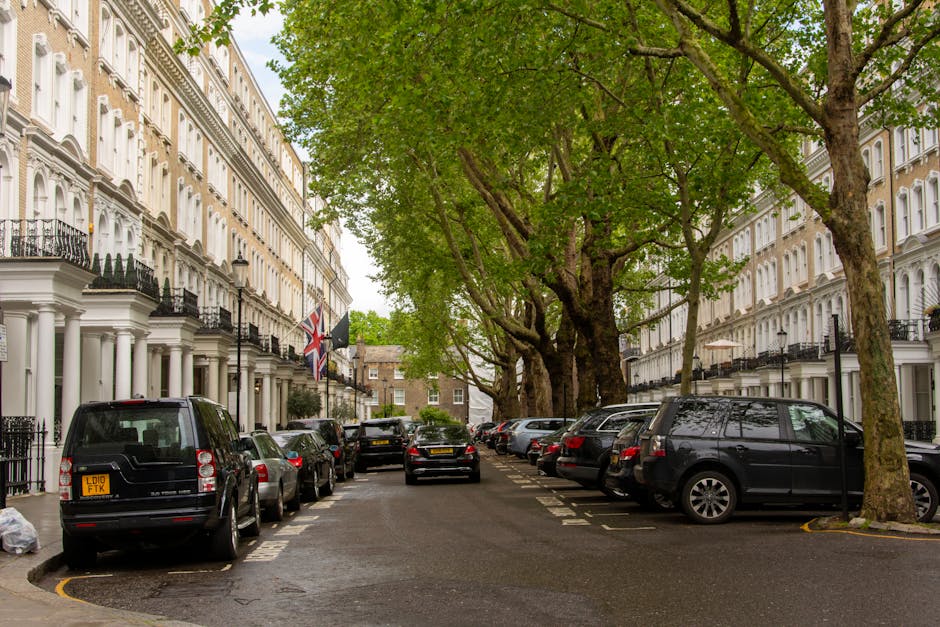
SW1V parking permits & Westminster Council rules for movers

Moving in SW1V can look simple on a map and then turn into a bit of a street-level puzzle. Bays can be tight, kerb space is limited, and one wrong parking decision can slow the whole day down. If you are trying to understand SW1V parking permits & Westminster Council rules for movers, the real goal is straightforward: park legally, protect your moving schedule, and avoid avoidable stress.
That matters whether you are moving a studio flat near the station, shifting a family home on a narrow residential street, or arranging a business relocation where a van needs quick access and clear loading space. In this guide, you will get a practical explanation of how parking permissions usually work in Westminster, what movers should check before arrival, where people most often go wrong, and how to plan the day so everything feels calmer. Truth be told, the paperwork side is rarely the hard part. It is the timing, the space, and the little local quirks that catch people out.
For readers planning a fuller move, it may also help to explore home moving support, man and van services, or removal truck hire alongside the parking side of things. Parking and transport planning work best when they are treated as one job, not two separate ones.
- Why this matters in SW1V
- How Westminster parking rules affect movers
- Key benefits of planning ahead
- Who needs to think about permits
- Step-by-step moving day guidance
- Expert tips for smoother access
- Common mistakes to avoid
- Tools, resources and recommendations
- Compliance and best practice
- Options and comparison table
- Real-world example
- Practical checklist
- Conclusion
- Frequently asked questions
Why SW1V parking permits & Westminster Council rules for movers Matters
SW1V sits in a part of London where road space is valuable, parking is closely managed, and moving vehicles can easily become part of the traffic problem if they are not planned properly. Westminster Council parking rules are not there to make your life awkward. They exist to keep streets moving, protect residents, and make loading safer. But from a mover's point of view, they can shape almost every part of the day.
If a van arrives without the right permission, it may have to circle the area, wait for a legal space, or park farther away than expected. That creates a chain reaction: slower loading, extra labour, more time on the clock, and sometimes frustration from neighbours or building staff. Let's face it, nobody wants a moving team carrying a sofa down the road while someone is impatiently tapping the steering wheel.
Understanding the rules in advance also helps you choose the right type of vehicle. A small man with van option might suit a compact flat move where access is limited. A larger vehicle or even a moving truck may be better for bigger household contents, but only if the street can realistically take it. That is the bit people miss: the best moving plan is not just about volume, it is about access.
In a place like SW1V, where many streets are busy and parking bay layouts can vary from one block to the next, small planning decisions really do add up. The difference between a smooth move and a stressful one often comes down to ten minutes of checking earlier in the week. Simple, but important.
How SW1V parking permits & Westminster Council rules for movers Works
For movers, parking permission usually comes down to a few practical questions: where the vehicle can stop, whether loading is allowed, whether a permit or dispensation is needed, and how long the vehicle can remain in place. Westminster Council typically manages parking through controlled bays, loading restrictions, resident parking zones, yellow lines, and time-based controls. The exact arrangement depends on the street, the time of day, and the vehicle type.
The key point is that moving day parking is not something to assume. You need to check whether the vehicle will be loading only, whether the stop will block a bay, and whether any local restriction affects the move. In some cases, a short loading stop may be acceptable. In others, a formal arrangement may be needed. If you are using a professional team for house removalists or commercial moves, they will usually factor access into the planning, but it is still wise for the customer to understand the basics.
There is also a difference between parking legally for loading and parking casually because there is "just a minute" to spare. That minute can become a ticket, a complaint, or a delay. Westminster is not unique in that respect, but central London streets tend to leave less room for error.
Most moving arrangements involve some mix of the following:
- checking the street restriction type
- confirming the best stopping point for the vehicle
- planning arrival time around local traffic and access windows
- making sure the vehicle size suits the road
- using a parking permit, dispensation, or lawful loading arrangement where required
If the move includes packing help, the parking plan becomes even more important. Services such as packing and unpacking services can reduce last-minute pressure, but they still need a sensible loading setup outside. One thing affects the other. Always.
Key Benefits and Practical Advantages
Getting the parking side right can feel like admin, yet it brings very real benefits on the day. The most obvious one is time. The less time the vehicle spends hunting for a legal spot, the faster the move begins. That alone can make the whole morning feel far less chaotic.
There is also a cost angle. Delays can increase labour time, vehicle time, or the need for repeat trips. Even a short hold-up can throw off a carefully timed move-out and move-in sequence. In busy areas, the ripple effect can be surprisingly annoying. You know the sort of thing: boxes stacked by the front door, kettle unplugged, one last sweep of the hallway, and then the van is still nowhere near the entrance. Not ideal.
Other practical advantages include:
- safer loading and unloading near the property
- less walking distance for heavy items
- better coordination with neighbours, porters, or building managers
- lower risk of parking penalties or complaints
- more predictable arrival and departure timing
For business customers, the benefits are even more obvious. A planned loading point can keep a office relocation on schedule and reduce disruption for staff or clients. For domestic customers, it can mean fewer arguments, less shouting down stairwells, and a better start in the new place. Which, to be fair, is what everyone wants.
There is a quieter benefit too: peace of mind. When the parking plan is thought through, the whole day feels less like a gamble.
Who This Is For and When It Makes Sense
This topic matters for almost anyone moving into, out of, or within SW1V. But it matters most for people dealing with restricted streets, shared building access, or larger vehicles. If your property sits near a narrow road, on-street parking is scarce, or the move needs to happen during a busy weekday slot, you should treat parking as part of the move plan from the start.
It makes sense for:
- tenants moving in or out of flats
- homeowners arranging house removals
- landlords co-ordinating move-ins and move-outs
- businesses relocating stock, files, or office furniture
- students or sharers moving smaller loads in tighter windows
- anyone booking a van, lorry, or multiple trips through a controlled parking area
If your move is very small and you are using a compact vehicle, the parking challenge may be lighter. Even then, don't assume it will just work itself out. A short stop in the wrong bay can still become a problem. If your move involves bulky furniture, a stair-heavy building, or a full household, the need for planning goes up fast.
That is why people often combine parking planning with services like furniture pick-up or a more flexible man and van service. The simpler the vehicle arrangement, the easier it can be to align with what the street will actually allow.
In short: if you are moving anything bigger than a suitcase and a bit of optimism, check the rules. That sounds cheeky, but it is pretty close to the truth.
Step-by-Step Guidance
Here is a practical way to approach SW1V parking permits and Westminster Council rules without overcomplicating it.
- Check the street outside both properties. Look for resident bays, pay-and-display bays, loading areas, yellow lines, single red lines, and any signage with time limits. The sign matters more than the assumption.
- Work out the vehicle size early. A smaller van may fit where a larger truck simply will not. If you are not sure, compare options before the booking is final. A quick review of removal truck hire can help you decide whether a bigger vehicle is actually worth it.
- Build the move around the access window. Think about when you can load, how long the vehicle needs to stay, and whether there are school-run, commuter, or delivery pressures nearby. Westminster streets can change character fast between morning and late afternoon.
- Ask what permission is needed. Depending on the street and the stop, a permit, dispensation, or another parking arrangement may be needed. Do not leave this until the day before. That is where people get twitchy.
- Share the access details with your movers. Tell them the building type, the entrance location, and whether there are steps, door codes, or concierge checks. A good team can plan the load more efficiently if they know the terrain, so to speak.
- Prepare the property frontage. Keep hallways clear, finish packing before the vehicle arrives, and make sure anything fragile or awkward is ready first. If you are using home moves support, this is where good preparation saves real time.
- Confirm on the morning of the move. A quick final check of traffic, weather, and access is worth it. Rain, roadworks, and event traffic can all shift the plan. London loves a surprise, apparently.
If you want a simple rule of thumb: plan the space first, then the schedule, then the boxes. Not the other way round.
Expert Tips for Better Results
After enough moves, a few patterns become obvious. The people who stay calm usually do the boring things early. Not glamorous, but effective.
Tip 1: Measure the real loading point, not the ideal one. Sometimes the best-looking spot on the pavement is blocked by bins, railings, or a tight bend. On paper, everything looks generous. In person, less so.
Tip 2: Keep the smallest practical vehicle in mind. A smaller van can be easier in SW1V if the street is narrow or parking is limited. That does not always mean it is the right choice, though. If the load is too large, the extra trips can cancel out the benefit. It is a balancing act.
Tip 3: Coordinate with the building or neighbours. If you live in a block with shared access, give notice where appropriate. The sound of trolleys on a stairwell at 8am is not everyone's favourite soundtrack. A little courtesy goes a long way.
Tip 4: Build in a buffer. Even a 15-minute buffer can help if a legal space is occupied or a vehicle needs a reposition. Moves are rarely perfect to the minute. That is normal.
Tip 5: Use the right support for the job. If you are moving a full property, house removalists may be more appropriate than a casual one-trip setup. If the move is commercial, the planning is different again, and commercial moves tend to need more coordination around access and timing.
Expert summary: in SW1V, the best parking plan is rarely the fanciest one. It is the one that fits the street, matches the vehicle, and leaves enough breathing room for the day to wobble a little without collapsing.
Common Mistakes to Avoid
Parking problems during a move are often preventable. The same mistakes crop up again and again.
- Assuming loading is always fine. Some streets allow short loading in specific conditions. Others do not. Never guess.
- Booking the wrong vehicle size. Too big and it may not fit. Too small and you create unnecessary extra runs.
- Leaving permits or permissions until the last minute. This can limit your options and force rushed decisions.
- Forgetting about road layout near the property. A vehicle may technically be allowed but still awkward to position safely.
- Ignoring the finish time. A move that starts at the right hour can still cause trouble if the parking window closes before loading ends.
- Not telling the movers about access issues. Missing details can waste time and create stress that should not have been there in the first place.
One of the sneakiest mistakes is underestimating how long the loading phase really takes. A few stairs, a couple of awkward corners, and a piano stool that refuses to cooperate... suddenly the van has been there far longer than planned. A bit annoying, yes, but also very normal if the setup is tight.
Another common issue is thinking that a problem can be solved on the day. Sometimes it can. Often it cannot. Planning wins, boring as that sounds.
Tools, Resources and Recommendations
You do not need a complicated toolkit to move well in SW1V, but a few practical tools and habits make life easier.
- Street observation: a quick walk past the property at the same time of day as the move can reveal parking patterns you will not see from a distance.
- Building notes: write down door codes, concierge instructions, lift access rules, and any time limits on deliveries or removals.
- Item list: know whether the move includes large wardrobes, beds, white goods, office desks, or fragile items. This affects vehicle choice.
- Packing support: good boxes, labels, and padding reduce the time the vehicle spends waiting while people hunt for missing tape. Happens more often than you'd think.
- Service match: use a service that fits the job. For example, packing and unpacking services can help if time is tight, while man with van support may suit lighter, more flexible moves.
It also helps to keep your paperwork and contact details in one place. If you need to confirm something with the moving team or revise the schedule, you do not want to be searching for a scribbled number in a kitchen drawer with three half-sealed boxes on top. We have all been there.
If you are weighing service options, a quick review of the company's about us information and terms and conditions can give you a better feel for how they work before you commit.
Law, Compliance, Standards, or Best Practice
For moves in Westminster, the safest approach is to treat parking restrictions, loading rules, and any permit or dispensation process as part of compliance, not convenience. Local parking controls can change from one street to the next, and different vehicle types may be treated differently depending on the bay, time, and purpose of the stop.
Because parking controls can be strict in central London, best practice is simple: verify the restriction on the actual street, confirm whether loading is permitted, and make sure your vehicle and arrival time fit the conditions. Do not rely on memory from a previous visit. Roads in these areas can look familiar and still have different rules in different sections.
If your move involves a commercial property, office stock, or a larger lorry, the planning standard should be higher. Commercial work tends to need a tighter chain of coordination because more people are affected, and the margin for delay is smaller. That is especially true where staff, clients, or building managers are waiting on access.
Good compliance also means good conduct. Keep pavements clear, avoid blocking entrances, and communicate if the vehicle needs to reposition. Small things, really, but they matter. A considerate move is often a safer move too.
This is one area where being cautious is better than sounding certain. If a rule is unclear, check it directly before the day of the move. That may feel tedious, but it is still far easier than dealing with a parking issue while the lift is busy and the clock is moving.
Options, Methods, or Comparison Table
Choosing the right moving method in SW1V often depends on how much you are moving, how much room the street has, and how much help you need on the day. Here is a simple comparison that may help.
| Option | Best for | Parking impact | Practical note |
|---|---|---|---|
| Man and van | Smaller flats, partial loads, flexible timing | Usually easier to place in tighter streets | Good when access is restricted and the load is moderate |
| Man with van | Light removals, furniture pickups, short local moves | Often manageable in narrow or busy residential areas | Works well when speed and flexibility matter |
| Removal truck hire | Larger household moves, bulky furniture, many boxes | Higher parking planning needed | May require stronger access planning in SW1V |
| House removalists | Full home moves with more handling support | Depends on vehicle size and street layout | Useful where the move needs more coordination |
| Office relocation services | Workplace moves, desks, files, equipment | Often needs precise timing and loading access | Best when disruption must be kept tight |
There is no universal "best" option. There is only the best fit for your street, your volume, and your deadline. That is what good planning really means.
Case Study or Real-World Example
Imagine a couple moving out of a two-bedroom flat in SW1V on a weekday morning. The street has limited parking, a mix of resident bays and loading restrictions, and a few vehicles already parked bumper to bumper. They originally wanted a larger truck because it felt safer to "get it all in one go."
After checking the street layout and thinking about the access point, they switched to a smaller vehicle plan with better positioning outside the building. They packed early, labelled the boxes, and arranged the furniture so the biggest items came out first. The load was still substantial, but the vehicle was able to park closer, the team spent less time carrying, and the move felt far less frazzled.
Nothing magical happened. No miracle parking space dropped from the sky. They just matched the vehicle to the street instead of forcing the street to match the vehicle. Sensible, really.
Now take a commercial move as the contrast. An office relocation with filing, monitors, and a few workstations might need a more structured plan, including a firmer loading window and closer coordination with the building. That is where a team familiar with office relocation services can make the whole process more predictable, especially if parking and access are tight.
The lesson is simple: the best moving outcome often comes from modest planning, not dramatic last-minute heroics.
Practical Checklist
Use this checklist before moving day. It keeps the process grounded and saves a surprising amount of hassle.
- Confirm the exact moving date and arrival window
- Check the parking restrictions on the street outside both properties
- Decide whether a permit, dispensation, or loading arrangement is needed
- Choose the vehicle size based on access, not just item count
- Tell your movers about stairs, lifts, codes, and entry points
- Finish packing well before the vehicle arrives
- Label fragile and priority boxes clearly
- Keep walkways and entrances clear
- Plan for weather, traffic, and small delays
- Have a backup contact number handy on the day
Quick expert reminder: if one part of the plan feels uncertain, solve that part before the move starts. The earlier you fix it, the cheaper and calmer it usually is.
Get a free quote today and see how much you can save.
Conclusion
SW1V parking permits & Westminster Council rules for movers are really about one thing: making sure the vehicle, the street, and the timetable all work together. In a busy part of Westminster, that alignment matters more than people expect. A move can be technically simple and still go badly if the parking side is ignored.
If you take anything from this guide, let it be this: check the street early, choose the right vehicle, and treat loading access as part of the move itself. That approach protects your time, reduces stress, and helps everyone involved work more smoothly. Whether you are planning a small flat move, a family home relocation, or a business move, good parking planning is one of those unglamorous details that pays off properly.
And if you have ever stood outside a property watching a van arrive exactly where it should, on time, with just enough space to work? You know the feeling. Calm. Sorted. Finally.
Frequently Asked Questions
Do I need a parking permit for movers in SW1V?
It depends on the street, the parking restriction in place, the vehicle type, and whether the stop is for loading only. In some cases, a permit or other arrangement may be needed; in others, short loading may be possible. Always check the actual road rather than assuming.
Can a moving van park in a resident bay in Westminster?
Only if the bay and the local rules allow it. Resident bays are usually controlled, so a moving vehicle cannot simply park there unless the restriction is met or permission has been arranged. This is one of the most common points of confusion.
What happens if a mover parks in the wrong place?
They may receive a parking penalty, be asked to move, or end up delaying the move while looking for a legal space. Even if nothing formal happens, the delay can still disrupt the schedule and add pressure to the day.
Is loading on double yellow lines allowed in SW1V?
Sometimes loading or unloading may be permitted under certain conditions, but it is not something to assume. The specific restriction signs and local controls matter. If there is any doubt, it is safer to plan another lawful stopping point.
Should I choose a smaller van or a larger truck for SW1V?
That depends on how much you are moving and how difficult the street access is. A smaller van may be easier to park and position, while a larger truck can reduce trips. The best choice is the one that fits both the load and the road.
How far in advance should I sort out parking for a move?
As early as you reasonably can. Leaving it to the last couple of days narrows your options and increases stress. For tighter streets or bigger moves, earlier planning is always better.
Do office moves need different parking planning from home moves?
Yes, often they do. Office relocation services usually involve stricter timing, more equipment, and greater need to minimise disruption. Parking and loading access become even more important when staff or building management are involved.
Can a man and van service help with parking issues?
Yes, especially for smaller or more flexible moves. A man and van service can sometimes be easier to position in restricted streets than a larger removal vehicle, though it still needs to follow the local parking rules.
What should I tell my movers before moving day?
Tell them the property access details, vehicle access limitations, any stair or lift issues, loading restrictions, and whether parking is tight. The more accurate the details, the more likely the move will go smoothly.
Are packing services useful if parking is limited?
Yes. Good packing can reduce loading time, which matters a lot when parking access is short or tightly controlled. If the vehicle has a limited window, efficient packing can make a real difference.
What is the safest way to avoid parking fines during a move?
Check the signs, plan the vehicle size carefully, confirm the loading arrangement in advance, and do not rely on informal assumptions. If the setup is unclear, choose the more cautious option. That is usually the wiser move, even if it feels a bit tedious.
Where can I get help with a move in SW1V?
You can review service options such as home moves, house removalists, removal truck hire, or contact the team via contact us if you want to discuss the move in more detail.