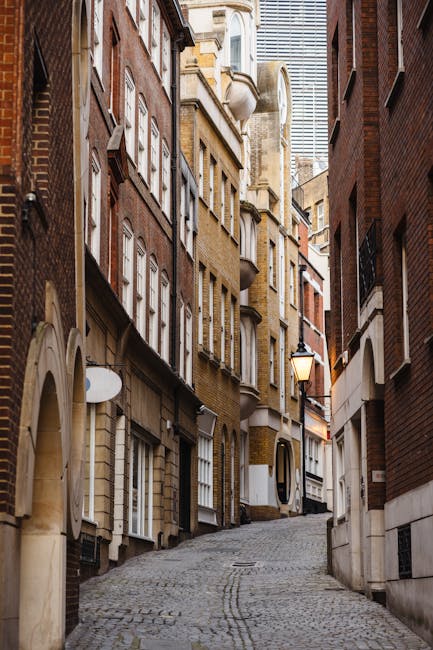
Warwick Way removals planning for narrow frontages Pimlico

If you are trying to organise Warwick Way removals planning for narrow frontages Pimlico, you are probably already aware of the awkward bit: it is not the packing that causes the biggest headache, it is the access. Narrow frontages, tight kerbs, shared entrances, and the usual London problem of "where on earth does the van stop?" can turn a simple move into a slow, fiddly day if you do not plan properly.
The good news is that a narrow frontage does not mean a difficult move has to become a chaotic one. With the right approach, you can protect your furniture, keep the timetable realistic, and avoid the sort of last-minute scramble that leaves everyone muttering on the pavement. In this guide, we will walk through the practical side of moving on Warwick Way in Pimlico: what makes it tricky, how professionals plan around it, what to watch out for, and how to make the day feel manageable rather than messy.
There is a method to it, truth be told. Once you understand the access constraints, the rest becomes much easier to control.
Why Warwick Way removals planning for narrow frontages Pimlico Matters
Warwick Way sits in a part of Pimlico where the street pattern, parking pressure, and property layouts can make access more demanding than people first expect. Narrow frontages mean there may be limited space between the building, the pavement, and the vehicle. That affects everything: how long loading takes, whether a larger van can stop safely, whether two crew members can carry a wardrobe out without catching the frame, and whether the move starts smoothly or with a traffic jam you did not ask for.
Why does this matter so much? Because removals are a chain of small decisions. If the vehicle cannot get near the entrance, you need more carrying distance. If the frontage is tight, you may need smaller loads, more careful scheduling, or extra handling equipment. If stairs, low railings, basement steps, or a shared hallway come into play, every second of the move becomes a bit more deliberate. That is not a problem in itself. The problem is pretending it is not there.
In practical terms, narrow-frontage planning helps you avoid:
- blocked pavements or poor vehicle positioning
- unnecessary lifting over long distances
- scratches to doors, bannisters, skirting boards, and furniture
- delays caused by parking uncertainty or poor route choices
- crew fatigue, which is usually when accidents happen, annoyingly
Let's face it, most people only move a handful of times in a decade. Removers see this sort of access challenge every week, and that difference in experience really shows when a frontage is narrow and the margin for error is small.
How Warwick Way removals planning for narrow frontages Pimlico Works
The planning process is not especially glamorous, but it is effective when done properly. Good removals planning starts before moving day, usually with a look at the property, the street layout, and the items being moved. The aim is to match the vehicle, crew size, carry distance, and packing method to the actual conditions on site.
For Warwick Way, the process often includes some version of the following:
- Access review. The team checks the frontage width, doorway clearance, footway width, and the practical space available for loading.
- Parking and stopping point planning. This may include deciding whether a small van, mid-size van, or larger vehicle is realistic for the street at the chosen time.
- Item mapping. Bulky items such as wardrobes, sofas, beds, pianos, mirrors, and white goods are identified in advance so the lifting plan is realistic.
- Protection planning. Blankets, covers, floor protection, and door protection are prepared so tight movements do not cause damage.
- Route planning inside the property. This matters more than people think. Sometimes the easiest route out is not the most obvious one.
- Timing and sequencing. Items are loaded in an order that avoids blockages, repeated handling, and awkward reshuffling in the van.
A small detail can change the whole day. For example, a broad chest of drawers that would be easy on a wide driveway may need to be angled, padded, and carried by two people through a much narrower opening on Warwick Way. That sounds obvious once you say it out loud. Beforehand, though, it is easy to miss.
For readers comparing services, it may help to look at broader local moving support too, such as home moves in Pimlico or more specialised man with van support for tighter, shorter, or lower-volume jobs.
Key Benefits and Practical Advantages
The best reason to plan carefully is simple: it makes the move feel controlled. And that feeling matters. A well-organised move is usually cheaper in practice too, because fewer mistakes means fewer delays, fewer damaged items, and less wasted labour.
Here are the main advantages of taking Warwick Way access planning seriously:
- Safer handling. Crews can lift and carry with proper spacing, rather than improvising around a tight gap.
- Better time management. Narrow frontages take longer unless the sequence is planned in advance.
- Lower damage risk. Both your property and your furniture benefit from fewer awkward turns and fewer rushed manoeuvres.
- Less stress on moving day. You will notice the difference when people know exactly where to stand, where to park, and which items go first.
- More accurate pricing. The better the access information, the more realistic your quote tends to be.
There is also a subtler benefit: good planning often prevents that awful early-morning feeling of uncertainty. You know the van size is appropriate. You know the crew have a route. You know the big items have been measured. It sounds small, but it takes the edge off the whole thing.
When space is tight, efficiency becomes a form of protection. Not just for the furniture, but for the timetable and everyone's nerves.
Who This Is For and When It Makes Sense
This kind of planning makes sense for anyone moving on or near Warwick Way where frontage space is limited. That said, the people who benefit most tend to fall into a few groups.
- Flat owners and tenants in buildings with shallow entrances, railings, steps, or shared access.
- Families moving house who have larger items, prams, storage boxes, and a more complicated load-out.
- Older residents or downsizers who want the move to be handled gently and with fewer lifting demands.
- Students or young professionals in smaller homes who need quick, efficient, low-drama removals.
- Landlords and managing agents arranging clear-outs, end-of-tenancy removals, or access-sensitive moves.
- Small businesses relocating stock, desks, or archive items from Pimlico properties with restricted street access.
It also makes sense when the move looks simple on paper but has one awkward element. Perhaps the frontage is narrow but the flat is otherwise straightforward. Perhaps the job is only a few rooms, but there is a bulky sofa that will not pivot neatly through the hallway. That one awkward item is usually the thing that decides the day.
If your move is business-related, you may also find it useful to compare with office relocation services or commercial moves if the job includes equipment, desks, or time-critical relocation requirements.
Step-by-Step Guidance
Here is a sensible, real-world way to approach Warwick Way removals planning for narrow frontages Pimlico. Nothing fancy. Just the sort of process that keeps things steady.
1. Measure the access properly
Measure the front door, hallway pinch points, stairs, and any external obstacle that could affect loading. Do not guess. A tape measure and a few minutes can save a surprising amount of grief later. Also note lamp posts, railings, low walls, bins, and parked cars, because London streets love a random obstruction.
2. List the awkward items first
Start with anything large, fragile, heavy, or awkwardly shaped. Wardrobes, mattresses, mirrors, glass tables, appliances, and exercise equipment should be identified early. If you have anything unusual, say so. The "oh, and there is also a piano" moment should not appear at the loading bay.
3. Match the vehicle to the frontage
A larger van is not automatically better. On a narrow frontage, a slightly smaller van may actually be faster because it can stop more cleanly and load more safely. For some jobs, man and van support or removal truck hire makes more sense depending on volume and access.
4. Pack for easy handling, not just storage
People often think packing is about filling boxes. On narrow-frontage moves, it is also about how each item behaves when carried. Use uniform box sizes where possible. Keep heavy items low. Label breakables clearly. Wrap handles and corners. If a box feels too awkward to grip, it probably is.
5. Clear the route inside and outside
On the day, try to keep the path from room to van as open as possible. Move coats, shoes, plant pots, loose rugs, and anything that could trip someone. If the frontage is very tight, a clean route matters even more because the team has less room to pause or re-grip items.
6. Load in the right order
Good loading order reduces backtracking. Usually, the heaviest and most stable items go in first, followed by boxed goods, then lighter items and fragile pieces that need careful positioning. The exact sequence depends on the van layout and the shape of the load, so there is no one rigid formula. Still, the goal is always the same: less shuffling, more stability.
7. Give clear day-of instructions
Keep instructions short and practical. Who has keys? Which items stay behind? Which room should be cleared first? Is there a neighbour who needs advance notice? Straightforward answers keep the move moving. A little clarity saves a lot of wandering around with a mattress in hand. Been there, seen that.
Expert Tips for Better Results
Small improvements make a big difference on tight-access jobs. These are the sorts of things a seasoned crew notices immediately.
- Book the earlier part of the day if possible. Morning access is often easier before the street gets busier.
- Use floor runners or temporary protection. Especially if the route includes polished floors, older boards, or tight stair turns.
- Pre-disassemble furniture where appropriate. Removing legs or shelves can turn an impossible angle into a manageable one.
- Keep a "last out" box separate. That box should contain kettle, chargers, paperwork, toilet essentials, and the items you will want immediately.
- Take photos of awkward items before dismantling. A quick image helps with reassembly later. Simple, but genuinely useful.
- Tell the removals team about any hidden access quirks. A private gate, a shared courtyard, a narrow side path, or a door that sticks can change the plan.
One thing we often suggest is thinking like the crew for five minutes. If you had to carry your biggest item from the flat to the pavement, where would it snag? Where would you need to turn? Where would someone need to step aside? That little mental exercise is annoyingly effective.
And yes, sometimes the best tip is simply: slow down a bit. Not too much, obviously, but enough to stay in control.
Common Mistakes to Avoid
Most moving problems on narrow frontages are preventable. The classic mistakes are usually familiar, which is both reassuring and slightly irritating.
- Underestimating frontage width. A few centimetres matter more than people expect.
- Forgetting to mention bulky items. One overlooked wardrobe can throw off the whole vehicle plan.
- Packing boxes too heavy. Heavy boxes are harder to carry through tight spaces and more likely to split.
- Assuming parking will sort itself out. In Pimlico, it often will not.
- Leaving disassembly until moving morning. That usually leads to delays and a bit of mild panic.
- Not protecting door frames and corners. The damage is often small, but still annoying and avoidable.
- Trying to do everything with too few people. Saving a little upfront can cost more in delays or strain.
A particularly common issue is the "we only have a couple of things" assumption. Then you see the sofa, the king-size mattress, the bookcase, and the fridge. That is not a couple of things. That is a plan.
The smarter approach is to be honest about volume and access from the start. A straightforward conversation early on is worth far more than a last-minute rescue mission.
Tools, Resources and Recommendations
You do not need a warehouse full of kit, but the right tools make a tight-access move much smoother. The goal is not overcomplication. It is reducing friction, literally and figuratively.
| Tool or resource | Why it helps | Best for |
|---|---|---|
| Heavy-duty boxes | Stack neatly and carry more safely through narrow entrances | Books, kitchenware, mixed household items |
| Furniture blankets | Protect corners and finishes during tight turns | Sofas, tables, wardrobes, cabinets |
| Mattress cover | Keeps bedding clean and easier to handle | Beds and mattresses |
| Floor protection | Reduces scuffs on hallways and shared areas | Older homes, communal access, polished floors |
| Removal truck or small van | Matches the vehicle to the space available outside | Narrow streets and frontage-sensitive moves |
| Packing service | Saves time and improves item protection before loading day | Busy households, offices, urgent moves |
For planning support, the following pages can be useful if your move is part of a wider Pimlico relocation: packing and unpacking services, house removalists, and, if you need an overview of the company first, the about us page.
For very local access questions, related reading can also help. A few especially relevant guides include access tips for Pimlico flats, narrow-access move strategies, and navigating Pimlico's narrow streets.
Law, Compliance, Standards, or Best Practice
With removals in a place like Pimlico, compliance is mostly about good practice, sensible access management, and not making life harder for neighbours, pedestrians, or drivers than it needs to be. While specific arrangements can vary, the basic expectations are fairly consistent.
In practical terms, that usually means:
- parking and stopping only where it is lawful and safe to do so
- keeping pavements and entrances as clear as reasonably possible
- avoiding unnecessary obstruction during loading and unloading
- handling items in a way that reduces risk of injury or damage
- following building rules where communal areas or management permissions apply
If your property is in a managed block, it is sensible to check any move-in or move-out requirements early. Some buildings expect lift booking, time windows, or protective measures for communal areas. That is not unusual, and it is much easier to respect those requirements than to negotiate them on the doorstep while carrying a wardrobe.
Parking and route planning can also matter more than people expect. Local streets in SW1V can be busy, and a poorly timed arrival can create stress before the move has even properly started. For more on that side of the process, see parking permit and mover rules guidance and route planning to avoid peak delays.
Best practice here is simple: be accurate, be early, and do not assume access will be forgiving just because the job seems small.
Options, Methods, or Comparison Table
There is no single right way to handle a narrow-frontage move. The best method depends on volume, access, timing, and how many awkward items you have. Here is a straightforward comparison that helps narrow it down.
| Method | Best for | Pros | Trade-offs |
|---|---|---|---|
| Small van plus careful loading | Light to medium household moves with restricted frontage | Easier to position, often less awkward on tight streets | May require more trips or tighter packing discipline |
| Man and van | Quick moves, single-room loads, smaller clear-outs | Flexible, efficient, usually well suited to compact access | Not always ideal for large family loads or many bulky pieces |
| Full removals crew | Whole-house or multi-room moves | More hands for lifting, packing coordination, and protection | Needs better planning and may be more sensitive to parking constraints |
| Truck hire with support | Larger loads where vehicle capacity matters most | Good for heavier volume if access allows | Can be harder to manage on narrow frontages |
In many Warwick Way cases, the deciding factor is not simply how much you own, but how the items behave in a tight loading space. A smaller, smarter setup is often better than an oversized vehicle that becomes clumsy outside the property. More isn't always more. Not here, anyway.
Case Study or Real-World Example
Here is a realistic example based on a typical Pimlico access challenge. A couple moving from a Warwick Way flat had a narrow frontage, a modest hallway, and one very awkward sofa that had clearly been designed by someone who disliked doorframes.
Rather than turn up with a large vehicle and hope for the best, the move was planned around three things: a smaller stopping footprint, furniture protection, and early loading of the sofa and bed frame. The team checked the entrance, measured the main pieces, and packed the van so the most awkward items came out first. The result was not dramatic, which is exactly what you want. No frantic reshuffling. No scraped wall. No "this will be fine" followed by five minutes of silence.
The couple had also pre-cleared the hallway and separated essentials into one last-out box. That saved time at the end, when everyone is a bit tired and the kettle starts looking like the most valuable item in the world. They arrived with most of the difficult work behind them, and the day felt calm rather than chaotic.
The takeaway? Narrow frontage does not have to mean a difficult move. It means you need a better plan. That is all.
Practical Checklist
Use this checklist a few days before the move and again on the morning itself. It is not fancy, but it works.
- Measure the doorway, hallway pinch points, and any external access restrictions.
- Tell the removals team about all bulky, fragile, or unusually shaped items.
- Confirm vehicle size and whether the frontage can safely accommodate it.
- Check parking and loading arrangements for Warwick Way and the surrounding streets.
- Protect floors, doors, corners, and stairs where needed.
- Disassemble furniture in advance if it helps reduce the carry size.
- Pack a clearly labelled essentials box for immediate access.
- Keep corridors and entrances clear on moving day.
- Let neighbours or building management know if access may be temporarily affected.
- Have keys, contacts, and any access instructions ready before the crew arrives.
If you are decluttering before packing, the right prep can make a noticeable difference. A few useful reads include essential decluttering steps, packing tips for a smoother move, and moving-house stress reduction advice.
Conclusion
Warwick Way removals planning for narrow frontages Pimlico is really about taking a practical, street-level problem and handling it with care before it becomes expensive or stressful. The frontage may be tight, the parking may be awkward, and the route may feel a little inconvenient, but none of that has to derail the move if the plan is specific enough.
Measure properly. Be honest about the load. Choose the right vehicle and crew. Protect the route. Keep the day simple. Those are the bits that matter. The rest tends to fall into place when the groundwork is sound.
And honestly, that is what most people want from a move: less drama, fewer surprises, and a calm finish at the end of a long day. A move like this can absolutely do that.
Get a free quote today and see how much you can save.
Frequently Asked Questions
What does narrow-frontage removals planning mean in Pimlico?
It means preparing a move around limited outside space, restricted kerb access, and entrances that do not allow much room for loading or turning. In Pimlico, that often involves careful vehicle selection, item sequencing, and a realistic loading plan.
Why is Warwick Way harder for removals than wider streets?
Because frontage space is often tighter, parking options can be limited, and there may be more pressure to load quickly and carefully. Even if the move itself is not large, access can still make it feel more involved.
Should I choose a smaller van for a narrow frontage?
Often, yes. A smaller van can be easier to position safely and may reduce the risk of awkward loading. The right choice depends on the volume of items, but bigger is not always better on narrow streets.
How far in advance should I plan a move on Warwick Way?
As early as you reasonably can, especially if you have bulky furniture, communal access, or time restrictions. A little advance planning helps with packing, route choice, and the chance to address access issues before moving day.
What should I tell the removals team before the move?
Tell them about frontage width, stairs, narrow doors, parking constraints, bulky items, fragile pieces, and any building rules. The more accurate the information, the more realistic the plan.
Can a man and van service work for narrow frontage moves?
Yes, often very well. For smaller loads or shorter moves, a man and van setup can be flexible and easier to manage in tight access conditions. It is especially useful when a full-scale removals vehicle would be awkward outside the property.
How do I protect my property during a narrow access move?
Use floor protection, door covers, and furniture blankets where needed. Clear the route, remove trip hazards, and make sure the crew knows where the tight spots are. A bit of preparation goes a long way.
Will narrow frontage make my move more expensive?
It can, depending on how much extra labour, time, or specialist handling is required. That said, good planning can reduce waste and keep costs more controlled by avoiding delays and damage.
Do I need to check parking rules before moving day?
Yes, absolutely. Parking and loading access are often central to how smoothly the day goes. In a place like Pimlico, not checking in advance can cause avoidable delays and extra stress.
What are the most common items that cause problems on narrow frontages?
Wardrobes, sofas, mattresses, fridges, large cabinets, mirrors, and anything awkwardly shaped or fragile. These items need the most attention because they are harder to turn, lift, and protect in a confined space.
Is packing more important when the frontage is narrow?
Yes, because packed items need to be easy to carry, easy to stack, and less likely to shift in transit. Strong packing supports the whole access plan, especially when the loading area is tight.
What is the best first step if I am unsure about access?
Measure the space and describe the property honestly to the removals provider. If possible, share photos or a quick video. That usually gives everyone a much clearer starting point than a rough guess, and it tends to make the whole process calmer.